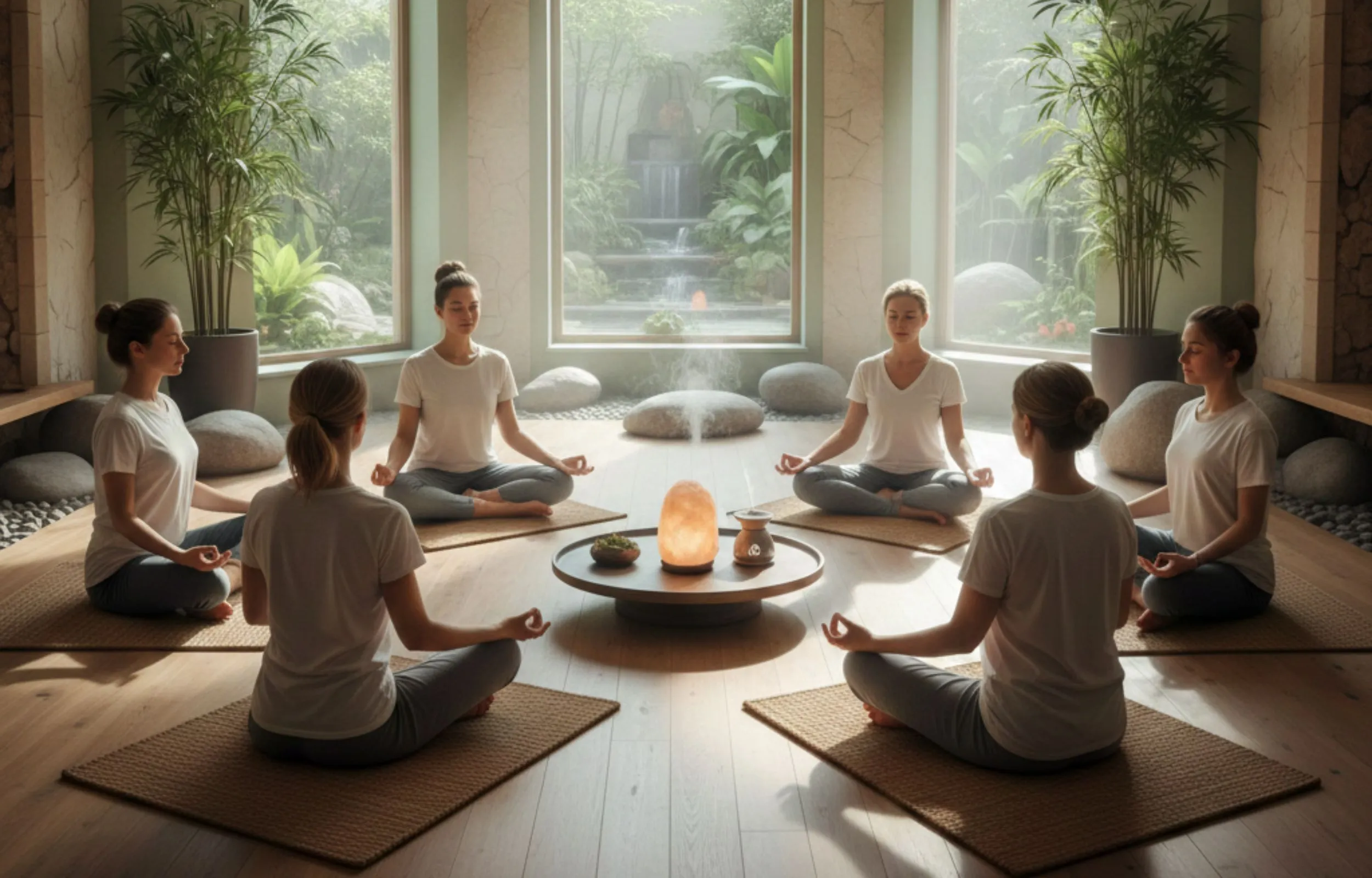
Meditation for depression is receiving momentum as a complementary approach to traditional treatments. In today’s fast-paced world, more and more people are experiencing a sense of sadness, emptiness, and despair. Stressful jobs, social pressure, and the constant hustle of everyday life can leave emotional wounds that are impossible to heal. Meditation for depression has become a huge natural approach to these challenges and provides hope for those who seek relief without relying exclusively on medicines. This blog explores how the integration of meditation into the daily routine, especially through the easily accessible meditation services USA, can be a transformational step towards mental health.
Understanding Depression and Its Emotional Impact
Depression does not only feel sad; This is a comprehensive feeling, a feeling of hopelessness that affects all aspects of life, from work performance to personal relationships. Common symptoms are as follows:
Common Signs of Depression
- Constant sadness, sadness, or emptiness
- Losing interest in previously enjoyable activities
- Fatigue or lack of energy
- Difficulty concentration
- Overwhelming fatigue or lack of motivation
- Sleep disorders
Read Also: How Can I Integrate Harmony into My Healing Journey?
The Science Behind Meditation for Depression
Research continues to highlight the effectiveness of alertness meditation in the treatment of depression. A milestone study by the University of California in Los Angeles, in 2025, showed that participants in 20-minute daily mindfulness meditation sessions experienced by 25% reduction in a period of eight weeks.
Studies also indicate that meditation can:
- The level of cortisol, a stress hormone.
- Increased production of serotonin and endorphins, which improves mood.
- Enhances neuroplasticity, allowing your brain to develop healthier emotional patterns.
What is Meditation for Depression & How Does it Work?
Meditation for depression is a practice that uses concentrated attention and alertness to reassure the mind, regulate emotions, and reduce stress. By bringing awareness to the present moment, individuals can interrupt a cycle of negative thinking that often nourishes depression. Over time, consistent practice can improve self-consciousness, improve mood and improve, and improve resistance, thus promoting the healing of the mind.
Benefits of Meditation for Depression
- Reduces stress and anxiety
- Improves mood and emotional regulation
- Enhance focus and concentration
- Promotes better sleep patterns
- Increases self-awareness and self-sensitivity
- Supports holistic mental and physical health
How to Start Meditation for Depression Practice
1. Choose a quiet place: Find a quiet environment where you won’t be disturbed.
2. Set the deadline: beginners can start 5-10 minutes a day. Gradually grows while you feel good.
3. Focus on breathing: take care of every single inhalation and exhalation. Like, if your mind wanders, bring it back carefully.
4. Practice attentive observation: observe your thoughts and emotions without calling them good or bad.
5. Be consistent: daily practice is more effective than casual long sessions.
6. Use controlled sessions: Use meditation applications, online sessions, and mindfulness meditation services USA to remain motivated and supported overall holistic wellness.
Meditation Techniques for Depression
Different meditation techniques can serve unique purposes in the fight against depression. Here are a few to explore:
1) Mindfulness Meditation: Focus on breathing and carefully observe your thoughts without judgment. This practice strengthens awareness and helps to interrupt the cycle of negative thinking.
2) Guided Meditation: With expert audio or session, live guidance, this approach is ideal for beginners looking for structured support and overall holistic wellness.
3) Loving-Kind Meditation (Metta): Developing feelings of compassion and love for yourself and others. And oh yeah, this technique can reduce self-criticism and promote, promote positive feelings.
4) Breath -Awareness Meditation: Simple, yet powerful, this practice involves focusing on breathing to focus on your mind and calm competition.
5) Body-scanning meditation: Warning all parts of the body and release of stress can reduce the symptoms of physical stress, that often related to depression.
6) Movement-Based Meditation: exercises such as yoga, tai chi, or walking meditation combine gentle, gentle movement and alertness, providing physical and mental benefits.
Read Also: Energy Healing Meditation for Stress, Anxiety, and Emotional Healing
Final Thoughts
Healing from depression is not a linear process, but the integration of mindfulness meditation into the routine offers a natural and gentle method to restore, restore emotional balance. By understanding the emotional effects of depression and commitment to alertness practice, you can maintain resistance to self-consciousness and internal peace at the same time. If you’re ready to explore the transformation potential of depression to treat depression, consider exploring mindfulness meditation services USA with Happy Sing to find the guidance on the journey of holistic wellness.
People Also Ask
(1) Where can I find meditation services in the USA for depression?
You can find expert-led meditation services USA for depression through wellness centers, online mindfulness programs, and certified instructors like Happy Singh at The Happy Soul, who offers both virtual and in-person sessions.
(2) What are the best meditation techniques for depression?
Various meditation techniques for depression have proven to be effective, including alertness meditation, guided display, gentle loving-kindness meditation (METTA), and body scan. All techniques help reduce negative thinking and promote self-awareness, emotional healing, and compassion.