Depression is a common but serious mental health condition that impacts hundreds of thousands of humans worldwide. It can result in continual emotions of unhappiness, hopelessness, and a loss of interest in sports as soon as enjoyed. While there are numerous remedies to be had for depression, along with medicines and therapy. But, One powerful and increasing number of effective approaches is meditation for depression. This holistic healing path, which has roots in historical traditions, gives a natural manner to control symptoms and promote normal well-being. In this blog, we’ll explore why meditation is powerful for depression and provide a simple guide on the way to start meditating.
Understanding Depression and Its Symptoms
Before diving into meditation, it is crucial to understand the despair and its signs. It’s a severe intellectual health condition that can affect each aspect of your existence. Common Symptoms of depression encompass:
- Persistent disappointment or a low mood
- Loss of interest or delight in activities as soon as enjoyed
- Feelings of hopelessness or worthlessness
- Fatigue or low-energy
- Difficulty concentrating or making choices
- Changes in sleep styles, which include insomnia or oversleeping
- Appetite changes, mainly to weight reduction or gain
- Physical signs and symptoms like complications or digestive troubles
If you are experiencing those symptoms. You might be dealing with depression. Remember, it’s ok to say for help. While medicine and remedies are not unusual treatments, meditation for depression can also be a powerful path to help control and alleviate these symptoms.
Why Meditation is Effective for Depression?
Meditation for depression? If you’ve ever felt a little skeptical approximately the effectiveness of meditation for depression, you are not alone.
So, how can sitting still and doing…anything, help with a mental fitness situation like depression?
But the reality is, at the same time as meditation might not be a magic remedy, it could be an effective holistic healing route in your arsenal to manage depression symptoms. Here’s how it’s far Effective.
1. Mindfulness and Present Moment Awareness: Meditation fosters mindfulness, helping you live grounded in the current moment in place of living beyond past regrets or future anxieties. This shift in cognizance can reduce the overpowering feelings associated with depression through holistic healing.
2. Stress Reduction: Meditation turns on the body’s relaxation reaction, reducing levels of pressure hormones like cortisol. This alleviates symptoms of depression, as continual strain can exacerbate emotions of hopelessness and fatigue.
3. Increased Self-Awareness: You develop a deeper knowledge of yourself and your concept patterns through meditation. This self-focus can help identify triggers and styles related to your melancholy, empowering you to make positive changes.
4. Enhanced Brain Function: Studies have proven that meditation can grow pastime in areas of the brain related to nice emotions and decrease activity in regions related to pressure and melancholy. This can result in a greater resilient mental state.
5. Neuroplasticity: Scientific studies advocate that meditation may additionally promote neuroplasticity—the brain’s capability to reorganize itself using forming new neural connections throughout existence. This means that through steady exercise, people can also toughen pathways related to advantageous emotions whilst weakening those related to poor feelings.
How to Start Meditation for Depression
Starting a meditation holistic healing practice can be difficult, especially in case you’re new to it. Here are some tips to help you get began:
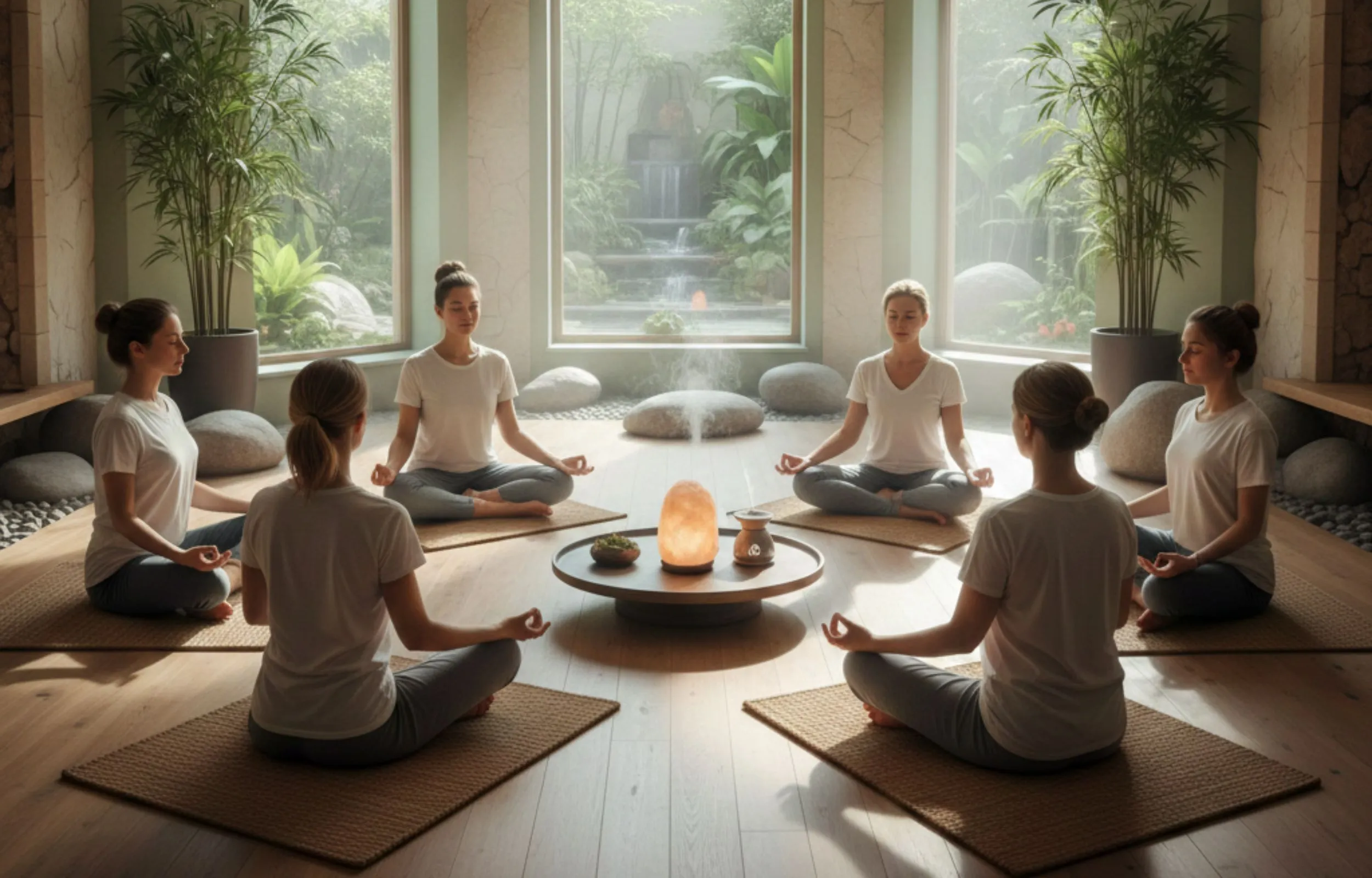
1) Set Up a Meditation Space: Creating a devoted area for meditation can enhance your practice and make it greater exciting. Find a quiet, comfortable spot in your living in which you can take a seat undisturbed for a few minutes every day. You might add elements like soft lights, calming scents, or soothing music to create a peaceful ecosystem.
2) Focus on Your Breathing: Close your eyes and take a deep breath. Begin to be aware of your breath, noticing the feeling of air moving inside and outside of your nose or mouth. If your thoughts start to wander, gently convey your attention again to your breathing.
3) Shift Your Focus from Breathing to the Body: Gradually shift your focus from your breath to a body test.
You can begin your experiment anywhere that feels proper to you—some decide upon beginning with their feet, while others would possibly start with their hands or head.
Direct your interest to each part of your body sequentially. As you keep sluggish, deep breaths, examine the sensations in every location.
Tips and Tricks for Meditation
1) Start Small: Start by meditating for just a few minutes every day. Just attempt 5 to 10 minutes a day. As you emerge as greater comfortable, progressively increase the period. Consistency is key, so aim for an everyday exercise agenda.
2) Be Patient and Compassionate: Meditation is a practice, and it’s every day to revel in a wandering mind or difficulty focusing. Approach every session with persistence and self-compassion, and don’t forget that progress takes time. The goal is not to gain perfection but to cultivate an experience of inner peace and cognizance.
3) Choose Your Technique: There are various types of meditation. You would possibly strive for mindfulness meditation (focusing on your breath), loving-kindness meditation (sending goodwill towards yourself and others), or guided meditations available through apps or online systems.
4) Moving Beyond Sitting – An Additional Option: If sitting meditation isn’t best for you, bear in mind opportunity practices like walking meditation and nature meditation. These techniques can be specifically effective for individuals who locate solace in motion or the outdoors. Whether it’s a park, lawn, or wooded area, the sights, sounds, and scents of nature can beautify your meditation experience through holistic healing.
Read Also: The Growing Trend of Meditation in the USA
Conclusion
Meditation is a depression path in the journey closer to dealing with despair and achieving holistic healing. By decreasing stress, improving self-consciousness, and promoting emotional health, meditation provides an herbal and effective way to enhance mental well-being. Remember, beginning a meditation for depression practice is easy and can be tailored to fit into any lifestyle. Begin today and experience the transformative energy of meditation for depression.
Guidebook for Common Queries
(1) What type of meditation is best for depression?
Ans: Mindfulness meditation and loving-kindness meditation are commonly recommended for depression. However, the nice sort of meditation is the only one that feels maximum appropriate and effective for you.
(2) What types of meditation sessions are available for depression at The Happy Soul?
Ans: We provide various meditation sessions designed to assist with depression, which include guided meditation, mindfulness meditation, and pressure-reduction strategies. Each session is tailored to address different aspects of depression.
(3) How Meditation Can Help with Depression?
Ans: Meditation gives a range of blessings that can be extensively useful resources in dealing with melancholy. By regularly working towards meditation, you create a mental space wherein you can have a look at your mind and feelings without being beaten through them. This distance lets you reply to poor thoughts in a more fit way.
(4) What are the primary benefits of meditation?
Ans: Meditation offers numerous benefits, together with decreased stress and tension, advanced consciousness and attention, greater emotional fitness, better sleep fine, and accelerated self-attention. It also promotes relaxation and can enhance ordinary well-being.