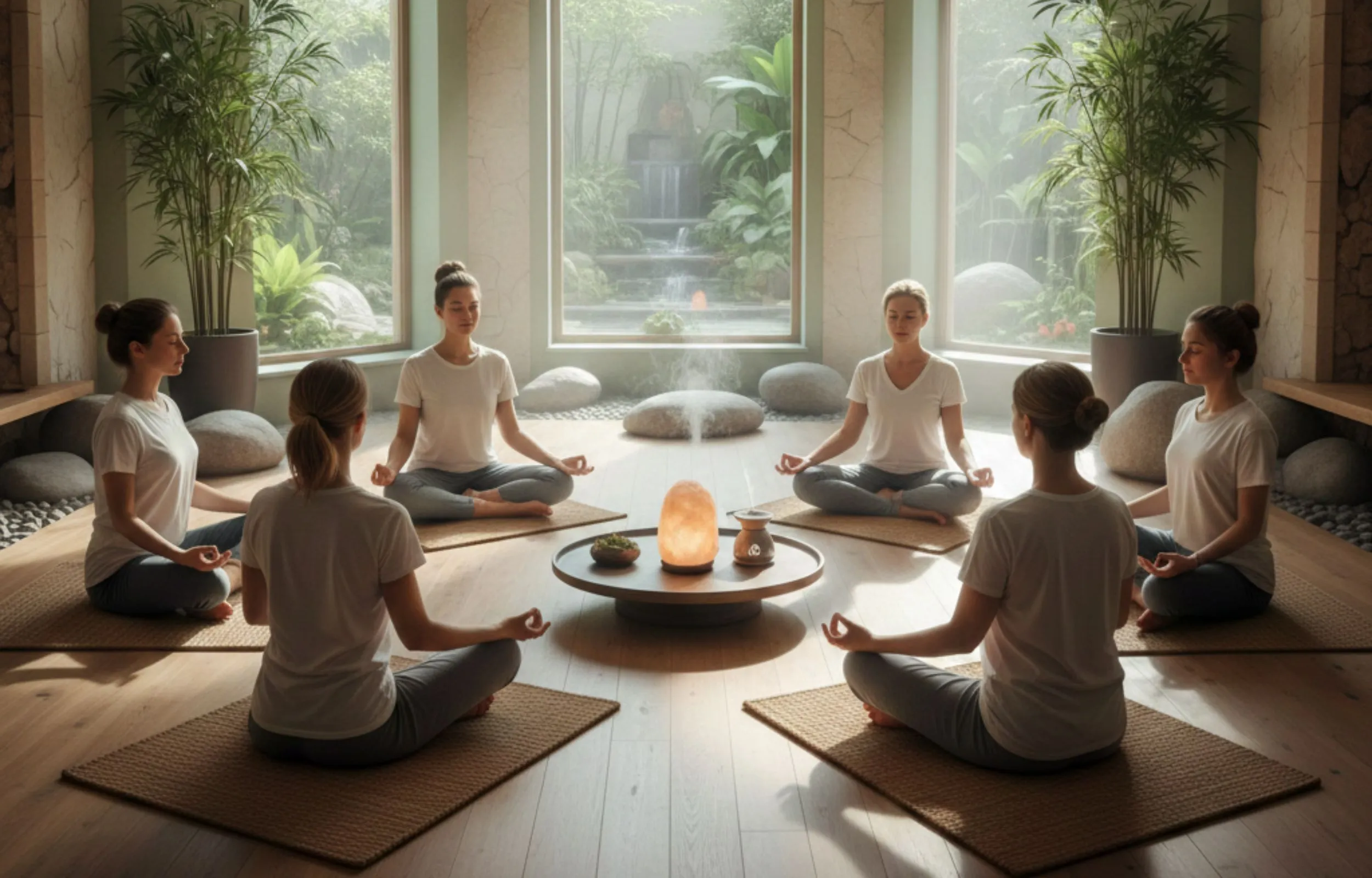
Welcome to a transformative path towards a calmer, more balanced life! In today’s fast-paced earth, dealing with daily stress can seem like an uphill battle. Between work time limits, family responsibilities, and the by-no-means-ending to-do lists, it’s no wonder that many of us experience being overwhelmed. But what if we advised you that a few moments of mindfulness can be the key to unlocking an extra serene and pleasurable life? In this blog, we’ll explore how integrating mindfulness meditation into your daily habits can effectively reduce stress and improve your standard holistic wellness.
What Is Stress?
Before we dive into the answers, allow us to recognize the problem. According to the National Institute of Mental Health, stress is the brain and body’s response to alternate, challenges, or demands. This type of strain can arise from various assets, which include work time limits, family duties, financial worries, courting problems, or even minor inconveniences like traffic jams.
Stress can emerge as a continual situation if the right steps to manage it are not taken. Chronic stress can cause chemical changes within the body that can improve blood stress, coronary heart rate, and blood sugar tiers. Long-time period stress or high stages of strain may additionally result in mental and physical fitness troubles.
Mindfulness vs. Meditation:
While frequently used interchangeably, mindfulness and meditation. It’s crucial to clarify what is implied with the aid of mindfulness and meditation.
Mindfulness is the best of consciousness. It entails being attentive to the existing second with openness and interest. You can exercise mindfulness at any time at some point of your day, consisting of at the same time as eating, on foot, or maybe in verbal exchange. It’s about bringing attention to your modern-day experience and overall holistic wellness.
Meditation, then again, is a specific exercise that entails focusing the thoughts to reap a particular state of awareness. It regularly involves strategies such as specializing in a mantra, guided imagery, or breathing physical games. Meditation may be an established consultation in which you dedicate time to practice.
The Science Behind Mindfulness
Research has shown that mindfulness meditation can result in remarkable reductions in strain levels. An observation published in JAMA Internal Medicine found that mindfulness meditation sessions can improve anxiety, melancholy, and aches. The physiological effects consist of decreased cortisol levels (the strain hormone), stepped-forward immune features, and more advantageous emotional rules.
Meditation for Stress: A Path to Calm
Meditation for stress is mainly powerful because it at once addresses the physiological and psychological effects of stress. Here are techniques and how to do meditation for stress:
(1) Deep Breathing: Simple respiratory exercises can lower your heart price and reduce feelings of hysteria. Techniques like diaphragmatic breathing or four-7-8 respiratory can carry on-the-spot comfort.
(2) Mindfulness Meditation: This involves specializing in the present second and watching your mind and emotions without judgment. Practicing mindfulness meditation for stress regularly enables building resilience in opposition to pressure.
(3) Body Scan Meditation: By systematically specializing in exclusive components of your body, you may launch anxiety and grow to be extra privy to bodily strain markers. This approach allows for spotting and addressing stress earlier than it escalates.
(4) Loving-Kindness Meditation (Metta): Encourages sending love and kindness towards yourself and others, fostering compassion which can counteract emotions of anger or resentment that often accompany pressure.
Mindfulness Practices For Stress
Various types of mindfulness practices cater to one-of-a-kind options for holistic wellness:
(1) Mindful Eating: Focus on savoring each chew during meals without distractions like TV or smartphones. Eating mindfully can improve your enjoyment and assist prevent overeating caused by pressure.
(2) Mindful Walking: Use on foot as an opportunity to practice mindfulness. Focus on every step and the sensations for your body to floor yourself inside the current moment.
(3) Mindful Listening: Concentrate actively and attentively whether it’s a conversation or your favorite song. This practice can enhance relationships and enhance emotional readability.
(4) Yoga: Combining physical motion with mindful consciousness promotes relaxation at the same time as also enhancing flexibility and strength.
How to Manage Daily Stress
Integrating mindfulness and meditation for stress into your everyday day can be highly powerful, however, there are also other easy techniques you can include to manage stress and get holistic wellness:
(1) Walk It Out: A stroll, whether in nature or around your neighborhood, can help clean your mind and reduce stress. The mixture of physical interest and publicity of clean air promotes rest and mental readability.
(2) Practice Relaxation Techniques: Incorporate sports that assist you unwind, which include reading an e-book, taking a warm tub, or training in yoga. These relaxation strategies can offer a wreck from the needs of daily existence and promote a sense of calm.
(3) Prioritize Self-Care: Make self-care a concern by setting aside time for activities that rejuvenate you. This may be anything from pursuing a hobby to getting a rub down. Self-care facilitates topping off your vitality and keeping the pressure at bay.
(4) Create a Routine: Establishing a routine that includes time for mindfulness practices can assist in reinforcing superb habits and decrease stress over time.
Integrating Mindfulness and Meditation into Your Daily Routine
(1) Start Small: Begin with simply five-10 minutes a day and regularly grow the length as you emerge as extra snug with the exercise.
(2) Create a Ritual: Designate a selected time and space in your mindfulness and meditation for stress exercise to set up an ordinary.
(3) Be Consistent: Consistency is fundamental to reaping the benefits of these practices. Try to incorporate mindfulness into everyday sports and meditate often.
(4) Use Apps and Resources: Leverage meditation apps or online sources for guided sessions and further help for holistic wellness.
(5) Be Patient: Results can also take time. However, consistency is prime to experiencing the lengthy-time period benefits of meditation for stress.
Read Also: The Importance of Meditation: 5 Facts You Need to Know
Conclusion
Managing daily stress via Mindfulness Meditation is more than a method. It’s an adventure closer to holistic wellness. By embracing mindfulness, you now not best address pressure but also improve your average nice of existence. Start incorporating those practices every day and witness the profound effect they can have on your holistic wellness. Your journey to a more nonviolent, stress-loose existence begins today.
Answers to Common Questions
(1) What are the benefits of mindfulness meditation?
Ans: The benefits of mindfulness meditation are huge and encompass reduced pressure, advanced emotional resilience, more advantageous consciousness, higher sleep, and elevated self-recognition. Regular exercise can also lead to decreased blood pressure and a famous feeling of properly-being.
(2) What is mindfulness meditation?
Ans: Mindfulness meditation for stress is a practice where you are aware of the existing second with non-judgmental awareness. By being attentive to your thoughts, emotions, and sensations as they occur, you domesticate a deeper understanding of your inner reviews. It’s an effective path for decreasing stress and improving typical well-being.
(3) Can mindfulness meditation be practiced everywhere?
Ans: Yes, mindfulness meditation may be practiced anywhere—at home, at work, or even during a trip. The key is to find moments of stillness and focus, no matter your surroundings. Short, conscious breaks throughout the day can also be beneficial.